
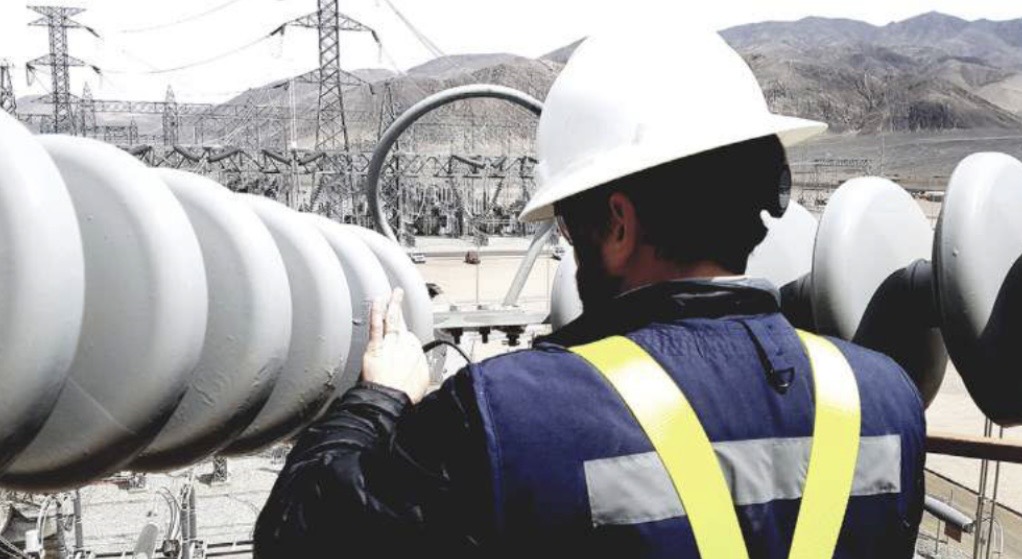
In electrical transmission and distribution networks, insulators play a critical role in isolating energized components from supporting structures and tower bodies. However, these devices do not always operate in clean and ideal environments. Industrial pollution, desert dust, salt from coastal regions, and moisture caused by fog and dew gradually accumulate on insulator surfaces. When conductive contamination combines with moisture, it can create unintended paths for electrical current across the insulating surface, potentially leading to electrical discharges and power outages. RTV coatings are recognized as one of the solutions for protecting insulator surfaces. By forming a silicone layer, they help maintain surface hydrophobicity and insulating performance over time.

Table of Contents
- What Are RTV Coatings?
- Why Do Insulators Need Protective Coatings?
- How Do RTV Coatings Work?
- Benefits of RTV Coatings
- Limitations and Important Considerations
- Comparing RTV Coatings with Other Methods
- Important Considerations for Selecting and Applying RTV Coatings
- Conclusion
What Are RTV Coatings?
RTV stands for Room Temperature Vulcanizing. The term refers to a group of silicone materials that cure at ambient temperature without requiring an oven or high-temperature treatment, forming a flexible, stable, rubber-like layer according to their specific curing mechanisms. This characteristic makes these materials suitable for field applications, including use on installed equipment.
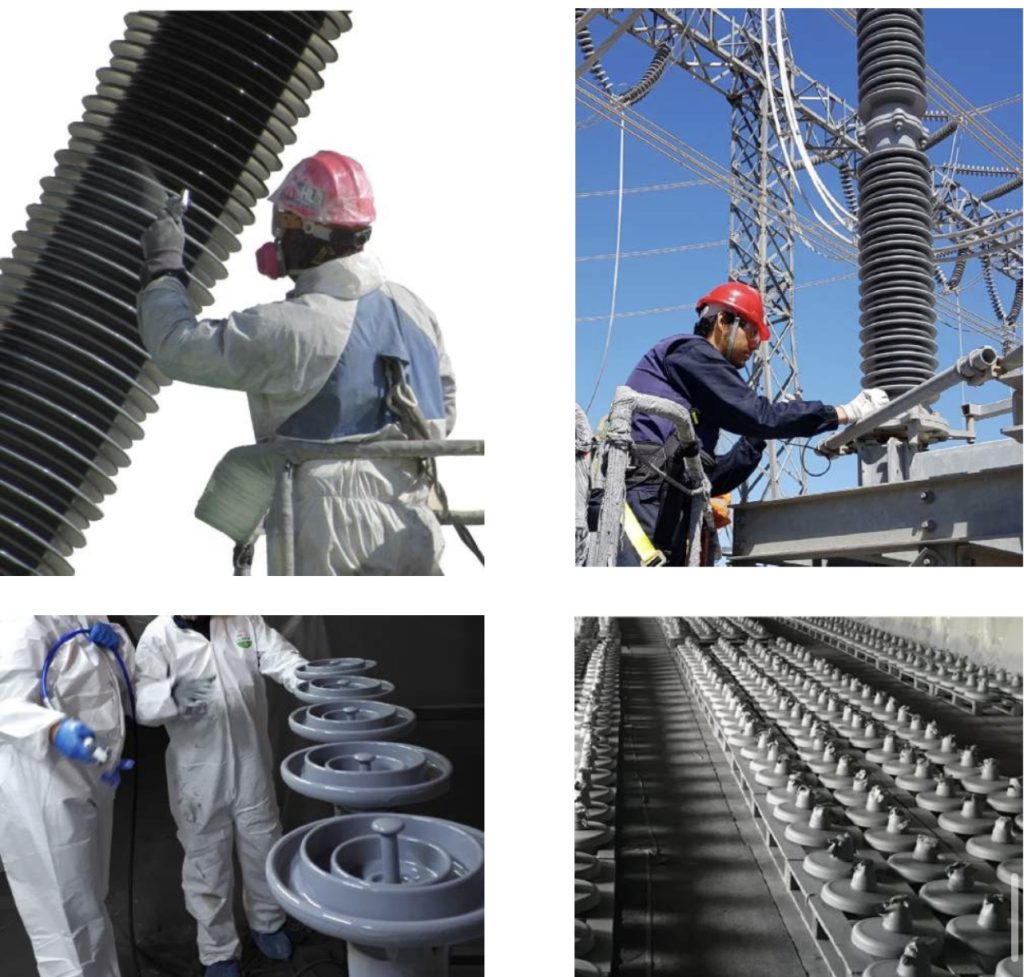
In the electrical industry, certain RTV formulations are specifically designed for coating the surfaces of ceramic, glass, and polymeric insulators. These coatings create a thin but continuous layer that helps preserve the insulating properties of the equipment while improving its resistance to contamination and moisture. It is important to understand that an RTV coating is different from a polymeric insulator or ordinary silicone sealant. Its formulation, fillers, and testing requirements are tailored to electrical applications, and product selection should be based on the relevant technical data sheet and intended use.
Why Do Insulators Need Protective Coatings?
Ceramic and glass insulators are inherently good electrical insulators, but their performance depends heavily on the condition of their surfaces. When industrial dust, salt, or airborne particles accumulate, the resulting contamination layer can behave like a conductive film in the presence of moisture. Under these conditions, surface leakage currents may develop, causing energy losses and potentially leading to sparking, surface erosion, and eventually electrical discharge. Coastal areas exposed to airborne salt, industrial regions with polluted air, and desert environments affected by dust storms are particularly vulnerable to this phenomenon.
The traditional approach to addressing this problem has been periodic insulator washing. Although effective in removing accumulated contaminants, this method can be costly, requires coordination with grid operation, and provides only temporary results because contamination gradually returns. The main idea behind insulator coating is to reduce the harmful effects of contamination and moisture by creating a surface that is less susceptible to their damaging influence, rather than relying solely on repeated cleaning.
How Do RTV Coatings Work?
One of the most important properties of silicone coatings is their surface hydrophobicity. Instead of spreading across the surface and forming a continuous conductive film, water tends to remain as separate droplets on a hydrophobic surface. These droplets can roll off or be removed by wind. This behavior is an important factor in reducing the risk of leakage current because it disrupts the continuous connection between conductive contamination and moisture.
Many silicone formulations also exhibit a phenomenon known as hydrophobicity transfer. In this process, low-molecular-weight silicone compounds migrate from within the coating toward its surface and, in some cases, into the deposited contamination layer, making the contaminants more hydrophobic. The extent and durability of this effect depend on the product formulation, coating thickness, and operating conditions. Therefore, it should not be considered a guaranteed or identical characteristic of every RTV coating.
Benefits of RTV Coatings
When the appropriate product is selected and correctly applied, RTV coatings can become part of an effective protection and maintenance program for electrical equipment. Their expected benefits include:
- Improved surface hydrophobicity: Reducing the tendency of water to spread across the coated surface, depending on the specifications of the product.
- Better contamination management: Reducing the impact of environmental contaminants on insulator surface performance, subject to site conditions and contaminant type.
- Flexibility: The elastomeric nature of many silicone coatings allows them to accommodate normal expansion and contraction of the underlying surface.
- Environmental resistance: Silicone polymers generally provide good resistance to ultraviolet radiation, ozone, and temperature fluctuations.
- Application to existing equipment: In suitable projects, coatings can be applied to installed insulators, provided all relevant safety and application requirements are strictly followed.
- Reduced maintenance requirements: Coatings may change the frequency or intervals of certain cleaning operations, but they do not eliminate the need for periodic inspection and maintenance.
Limitations and Important Considerations
No coating is a universal solution, and RTV coatings are no exception. The final performance depends on factors such as surface preparation, application thickness, weather conditions during application, and the quality of the product itself. Improper application can result in incomplete coverage or poor adhesion, leaving certain areas inadequately protected. Furthermore, if an insulator has deep surface damage or existing cracks, applying a coating will not resolve these structural problems. In such cases, the equipment should first be evaluated by a qualified specialist. Before application, the chemical compatibility of the coating with the substrate must also be assessed, along with the compatibility of individual layers when a multilayer system is used.
Comparing RTV Coatings with Other Methods
RTV coatings are not the only option for managing insulator contamination. Washing, applying insulating greases, and selecting appropriate insulator types during project design can also be useful under specific conditions. The following table outlines the general differences between these methods. The final choice should be based on project conditions and applicable technical guidelines.
| Method | General Operating Principle | Important Consideration |
|---|---|---|
| RTV silicone coating | Creates a silicone layer on the equipment surface | Surface preparation, application conditions, and product specifications influence the final results. |
| Insulator washing | Removes accumulated contamination from the surface | Scheduling and application methods must comply with grid safety and operational requirements. |
| Insulating grease | Forms a surface layer to help manage contamination and moisture | Service intervals and reapplication procedures depend on the material type and environmental conditions. |
Important Considerations for Selecting and Applying RTV Coatings
Coating performance depends on more than simply being labeled RTV or silicone-based. Before selecting and applying a product, the following factors should be evaluated:
- Intended application: Ensure that the coating is designed and approved for its intended use, such as application to insulators or electrical equipment.
- Substrate material and condition: Consider the insulator type, degree of deterioration, contamination level, and presence of existing coatings.
- Surface preparation: Cleaning, drying, and any primer application must follow the specific product’s technical instructions.
- Application method and thickness: Obtain the required tools, number of coats, and coating thickness from the manufacturer’s technical data sheet or project specifications. A single fixed value is not suitable for every product and application.
- Environmental conditions and safety: Follow restrictions concerning temperature, humidity, ventilation, and work on electrical equipment. Application should be performed by qualified personnel.
- Curing time and return to service: Check the required curing period in the product instructions and do not return the equipment to service until the applicable requirements have been verified.
Periodic inspection is also recommended after application. Checking adhesion, coating uniformity, and surface behavior under moisture exposure helps operators identify performance deterioration early and plan maintenance, repair, or recoating when necessary.
Conclusion
RTV silicone coatings can be used to protect insulator surfaces and manage the effects of moisture and contamination. By forming a hydrophobic insulating layer on existing equipment, these coatings help reduce factors that contribute to surface leakage currents. When combined with proper inspection and maintenance practices, they can serve as a useful tool for improving grid resilience in polluted environments. However, the final outcome depends on selecting a product suited to the project, preparing the surface correctly, and applying the coating according to the manufacturer’s instructions. Reviewing the technical data sheet and evaluating actual installation conditions provide a more reliable basis for decision-making than relying on general claims about service life or guaranteed performance.
Frequently Asked Questions About RTV Coatings
What Does RTV Stand For?
RTV stands for Room Temperature Vulcanizing. It refers to materials that cure at ambient temperature and develop a rubber-like or elastomeric consistency according to their curing mechanisms.
Do RTV Coatings Completely Eliminate the Need for Insulator Washing?
Not necessarily. These coatings may help manage contamination and reduce certain maintenance requirements, but inspection and maintenance schedules should still be determined according to site conditions and the recommendations of qualified specialists.
Is Every Silicone Coating Suitable for Electrical Insulators?
No. The selected product must be suitable for electrical applications and the specific project conditions. The manufacturer’s technical data sheet and the applicable project requirements should be reviewed before purchase and application.
What Are the Required Thickness and Curing Time for RTV Coatings?
These values vary among products and also depend on the application method and environmental conditions. The required coating thickness and curing time should be obtained from the technical data sheet of the selected product.